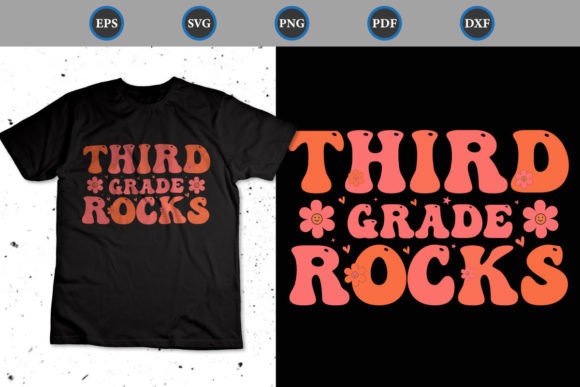
Back to School Third Grade Rocks
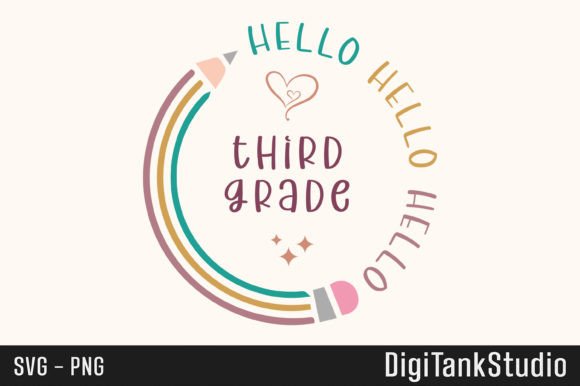
Third grade is a pivotal year—not just for students, but for the adults who support them. It’s when foundational skills solidify, curiosity deepens, and independence begins to take real shape. That’s why Back to School Third Grade Rocks resonates so strongly with teachers, parents, school staff, and creative entrepreneurs alike: it captures a specific, meaningful milestone with warmth, energy, and quiet confidence. It’s not generic “back to school” cheer—it’s targeted, authentic, and emotionally precise.
Why This Moment Matters More Than Ever
In today’s educational landscape, third grade marks a subtle but critical inflection point. Students transition from “learning to read” to “reading to learn.” They start grappling with multi-step math problems, organizing their own materials, and collaborating more intentionally. Teachers report increased emphasis on social-emotional development alongside academics—and families notice shifts in how children talk about responsibility, friendship, and effort.
This cultural nuance is reflected in design demand. Educators aren’t just buying classroom decor—they’re seeking visuals that affirm student identity and growth. Parents want keepsakes that honor this stage without infantilizing it. And creators building school-themed merchandise are moving past clipart clichés toward typography-driven, age-appropriate statements like This is my New Best 100 Days of School. That phrase works because it’s personal (“my”), aspirational (“new best”), and grounded in a shared ritual (the 100th day)—a tradition that continues to thrive across districts, even as teaching methods evolve.
Design That Serves Real Workflows—Not Just Aesthetics
The Back to School Third Grade Rocks and This is my New Best 100 Days of School typography vector designs were built with practicality in mind—not just visual appeal. Each file set includes EPS, PDF, PNG, and a JPG mockup, plus 100 color-changeable layers. That isn’t feature bloat; it’s workflow alignment.
Consider a small-business owner launching a back-to-school Etsy shop. They need scalable vectors for heat-transfer vinyl on tees and tote bags—EPS handles that cleanly. They also need crisp, transparent PNGs for digital listings and social media previews. The included mockup helps customers visualize the design *in context*, reducing returns and increasing trust. Meanwhile, a PTA volunteer designing a spirit week poster can drop the PDF into Canva or Illustrator, adjust colors to match school branding, and print same-day—no designer consultation required.
Similarly, educators using Cricut or Silhouette machines benefit from the clean vector paths and layered structure. No tracing, no pixelation, no guesswork—just reliable cut lines that scale from a 2-inch badge to a 24-inch bulletin board header.
More Than T-Shirts: How One Design Fits Multiple Roles
These aren’t single-use graphics. Their versatility reflects how modern creators think across platforms and purposes:
- Mugs and water bottles—used by third-grade teachers to spark conversation or reinforce classroom identity (“Ask me about our 100 Days celebration!”)
- Decals and stickers—applied to laptops, notebooks, or locker doors for low-cost, high-impact personalization
- Poster cards and printable banners—printed in-house for hallway displays or virtual classroom backgrounds
- Scrapbooking and memory keeping—parents documenting milestones with cohesive, printable elements
This cross-format utility mirrors broader shifts in creative production: fewer siloed tools, more unified asset libraries. Users expect one purchase to serve multiple needs—without sacrificing quality or flexibility. That’s why the inclusion of both ready-to-print files *and* editable layers matters. It respects the user’s time, skill level, and intent.
Color, Customization, and Contextual Relevance
The “kaleidoscope of colors” isn’t just marketing language—it addresses real user behavior. Educators often coordinate classroom themes around seasonal palettes (e.g., warm tones for fall, bright primaries for spring). Homeschool families may align designs with learning styles or sensory preferences. Small studios producing limited-run apparel need options that stand out on Instagram feeds without requiring custom color matching.
Having 100 color-changeable options means users can adapt the design to match school colors, accessibility contrast standards (like WCAG-compliant text/background pairings), or even mood-based learning environments (calming blues for focus zones, energizing yellows for collaboration areas). It’s customization with purpose—not just variety for its own sake.
From Classroom Ritual to Creative Catalyst
The 100 Days of School tradition has endured—not because it’s mandatory, but because it’s human-centered. It gives structure to time, celebrates consistency, and makes abstract concepts like counting and perseverance tangible. When paired with a strong typographic statement like This is my New Best 100 Days of School, it becomes both documentation and declaration.
That duality is what makes these designs valuable beyond commerce. A third-grade teacher might use the vector file to create a rotating “Student of the Day” banner where names replace “my,” reinforcing ownership and belonging. A curriculum designer could integrate the layout into a digital lesson on growth mindset, using the clean typography to model clarity and intentionality. Even a freelance graphic designer pitching to a school district can use the mockup as a spec piece—demonstrating how branded assets support culture-building, not just decoration.
What to Expect—And What to Skip
These designs deliver what they promise: professional-grade, production-ready files rooted in an authentic educational moment. They don’t claim to replace lesson planning, solve staffing shortages, or guarantee viral social engagement. What they do offer is reliability—a consistent starting point that saves hours of trial-and-error, especially for non-designers.
If you’re evaluating resources for the upcoming school year, ask yourself: Does this help me communicate meaning—not just make things look nice? Does it scale across formats without rework? Does it reflect the dignity and specificity of third grade, rather than lumping it into a vague “elementary” category? If the answer is yes, then designs like Back to School Third Grade Rocks earn their place—not as novelty items, but as thoughtful tools.
Getting Started Is Intentionally Simple
All files arrive in a single, well-organized ZIP folder. No registration walls. No subscription tiers. No hidden fees for commercial use. Extract, open, and go—whether you’re prepping for Open House, launching a micro-brand, or creating a personalized gift for your child’s favorite teacher.
That simplicity reflects a larger truth: the most effective creative tools remove friction, not features. You don’t need ten versions of the same font or twenty alternate layouts. You need one strong, adaptable foundation—designed with care, tested in real settings, and delivered without distraction.
A Thoughtful Anchor in a Busy Season
Back-to-school season is rarely calm. It’s packed with supply lists, schedule changes, policy updates, and emotional transitions—for students and adults alike. In that context, having access to a design that feels both joyful and intentional—like Back to School Third Grade Rocks—is quietly powerful. It’s a small way to signal: This year matters. This grade matters. This student matters.
When creativity serves clarity, connection, and continuity, it stops being optional—and starts being essential.